
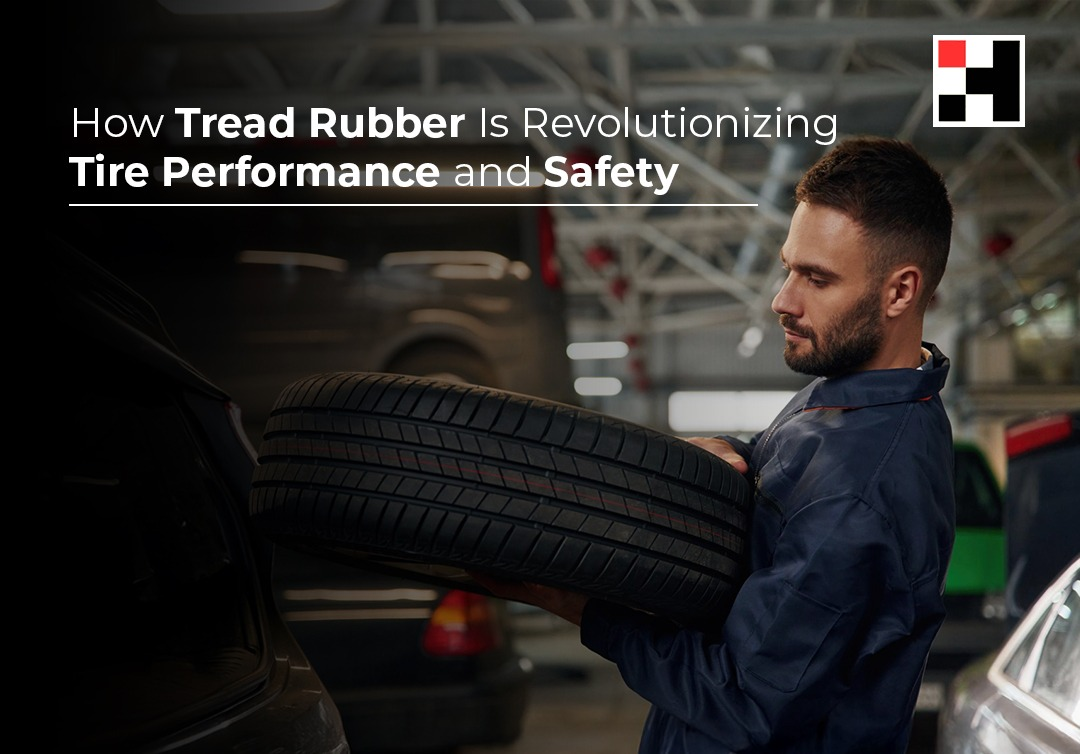
How Tread Rubber Is Revolutionizing Tire Performance and Safety
When you think about tire performance, your mind probably goes straight to horsepower, suspension, or maybe even braking systems. But there’s a quiet hero working at ground level — tread rubber. The layer of rubber that actually meets the road has become one of the most important innovations in modern tire technology, transforming not only performance but also safety.
From everyday commuters to professional racers at events like the 24 Hours of Le Mans, tread rubber plays a critical role in how vehicles handle speed, heat, and unpredictable road conditions.
Let’s explore how tread rubber is revolutionizing tire performance and safety — and why it matters more than ever.
What Is Tread Rubber?
Tread rubber is the outermost layer of a tire — the part that directly contacts the road surface. While it may look simple, it’s actually a carefully engineered blend of natural and synthetic rubber, fillers like silica or carbon black, oils, and specialized performance additives.
Modern tire manufacturers invest heavily in tread compound research because even small adjustments in rubber formulation can dramatically impact:
- Grip and traction
- Heat resistance
- Rolling resistance
- Wet-weather performance
- Tread life
In short, tread rubber is the foundation of tire behavior.
1. Advanced Compounds for Superior Grip
One of the biggest breakthroughs in tread rubber technology is the development of silica-enhanced compounds. Unlike traditional carbon-black-only formulas, silica-based compounds improve wet traction without sacrificing durability.
This means:
- Shorter braking distances
- Better cornering stability
- Improved handling in rain or snow
Whether you’re navigating city streets or cruising on highways, advanced tread rubber improves your vehicle’s ability to stay connected to the road — even in challenging conditions.
2. Heat Management at High Speeds
Friction generates heat. And excessive heat is one of the biggest enemies of tire performance.
Modern tread rubber compounds are engineered to:
- Dissipate heat efficiently
- Maintain structural integrity at high speeds
- Reduce the risk of blowouts
For performance vehicles — including those competing in elite motorsports like the Formula 1 World Championship — tread rubber technology is critical. Tires must endure extreme temperatures while maintaining optimal grip lap after lap.
The same science that supports racing technology is now influencing everyday consumer tires, making them safer and more durable.
3. Improved Wet and All-Weather Safety
Hydroplaning is one of the most dangerous driving hazards. While tread patterns help channel water away, the rubber compound itself plays a major role.
Innovative tread rubber stays more flexible at lower temperatures, allowing the tire to:
- Maintain road contact in rain
- Adapt to uneven surfaces
- Resist hardening in cold weather
This flexibility enhances traction and gives drivers greater control when road conditions change unexpectedly.
4. Lower Rolling Resistance = Better Fuel Efficiency
Tread rubber doesn’t just affect safety — it also impacts efficiency.
Rolling resistance refers to how much energy is required to keep a tire moving. Advanced tread compounds reduce internal friction, which:
- Improves fuel economy
- Reduces carbon emissions
- Extends battery range for electric vehicles
For fleet operators and everyday drivers alike, this means lower operating costs without sacrificing safety.
5. Longer Lifespan Without Compromising Performance
In the past, drivers often had to choose between soft, high-grip tires and longer-lasting hard compounds.
Today’s hybrid tread rubber compounds offer the best of both worlds:
- Enhanced durability
- Even wear patterns
- Sustained traction over time
This evolution reduces the frequency of tire replacements and contributes to long-term cost savings.
6. Sustainability and Recycled Tread Innovations
Another revolution happening in tread rubber is sustainability. Manufacturers are increasingly incorporating:
- Recycled rubber materials
- Bio-based oils
- Renewable fillers
Retreading technology — the process of replacing worn tread rubber while preserving the tire casing — is also gaining momentum in commercial transportation. It reduces waste and significantly lowers environmental impact.
As environmental regulations tighten globally, tread rubber innovation is becoming a key driver in the shift toward greener mobility solutions.
The Future of Tread Rubber Technology
The next generation of tread rubber may include:
- Smart compounds that adapt to temperature changes
- Nano-material enhancements
- AI-assisted compound development
- Self-healing rubber technologies
As vehicles become more advanced — especially electric and autonomous models — tire demands are evolving. Higher torque, heavier battery loads, and quieter driving experiences all require smarter tread rubber solutions.
The road ahead is literally shaped by what’s beneath us.
Final Thoughts
Tread rubber may not grab headlines like electric engines or autonomous driving systems, but it’s one of the most important innovations in modern automotive engineering.
From improving grip and reducing braking distance to increasing fuel efficiency and supporting sustainability, tread rubber is quietly revolutionizing tire performance and safety.
Read More: Common Problems with Tread Rubber and How to Fix Them