
India’s Natural Rubber Production to Rise: All India Rubber Industry Association
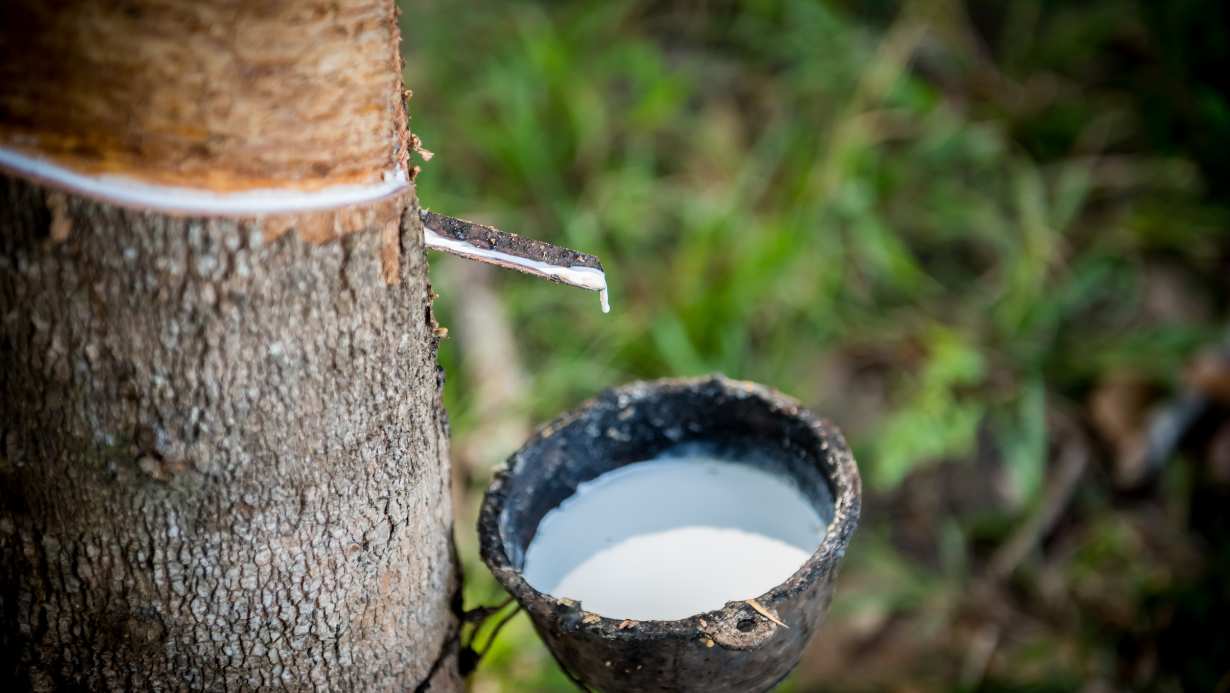
The rubber manufacturing sector has undergone remarkable transformations over the years. The All India Rubber Industry Association (AIRIA) is optimistic about a 5% boost in India natural rubber production for the fiscal year 2023-24 — rising from 8 lakh metric tonnes to approximately 8.4 lakh metric tonnes.
AIRIA president Ramesh Kejriwal attributes this growth to favourable weather conditions, particularly strong monsoon rainfall, which has proven beneficial for rubber cultivation across the country. The expanding automobile industry — a major consumer of natural rubber in tyres, belts, and hoses — has further amplified domestic demand.
India’s Key Natural Rubber Growing Regions
India’s natural rubber cultivation is concentrated primarily in the southern states. Kerala dominates production, accounting for over 75% of total national output. Karnataka, Tamil Nadu, Assam, Tripura, and Meghalaya collectively contribute the remainder.
The rubber tree (Hevea brasiliensis) thrives in tropical, humid climates with well-distributed rainfall — conditions that South India provides abundantly. Kerala’s geography, combined with generations of experienced smallholder farmers, has made it the backbone of India’s rubber supply chain.
Key Drivers Behind Rising Production
Several factors are pushing India natural rubber production upward:
Favourable Monsoon Seasons: Excessive rainfall in key growing regions has improved latex yield per tree. Rubber tapping productivity rises significantly when monsoon seasons are consistent and well-distributed across the growing calendar.
Automobile Sector Expansion: India is now the third-largest automobile market in the world. As vehicle production scales up, demand for rubber in tyres, seals, and belts increases in parallel — incentivising farmers to maintain and expand rubber plantations.
Government Support: The Rubber Board of India continues to offer subsidies and technical assistance to smallholder farmers, improving yield quality and tapping efficiency across plantations.
High-Yield Replanting Programmes: Ageing rubber trees are being replaced with high-yielding clones, gradually improving per-hectare output and latex quality across major growing states.
The Import Equation: Thailand, Malaysia, Sri Lanka, and Vietnam
Despite rising domestic production, India continues to import natural rubber from Thailand, Malaysia, Sri Lanka, and Vietnam. International prices remain lower than domestic prices — largely due to subdued demand in major consumer markets like China and the European Union, which keeps global supply plentiful and prices competitive.
For manufacturers of tread rubber, cushion gum rubber, and rubber compound sheets, this import dynamic creates both opportunity and supply chain complexity. When international prices are low, raw material costs fall. When domestic supply rises, it reduces dependency on imports and stabilises procurement planning for the year ahead.
What Rising Production Means for Tread Rubber Manufacturers
For tread rubber manufacturers, rising India natural rubber production has several direct and meaningful implications:
Raw Material Availability: Greater domestic supply means more consistent access to natural rubber grades such as RSS1, RSS4, and ISNR-20 — all critical inputs for high-quality precured cold tread rubber and rubber compound sheets.
Price Stability: As domestic production increases and import dependency eases, price volatility in the natural rubber market tends to moderate — a direct benefit to manufacturers who plan production months in advance.
Support for the Retreading Industry: India’s tyre retreading sector — a major consumer of precured cold tread rubber, conventional hot tread rubber, and cushion gum rubber — benefits directly from stable and accessible rubber prices. Predictable raw material costs allow retreaders to price their services competitively for fleet operators.
Challenges That Remain
Despite the optimistic outlook, the Indian natural rubber industry faces ongoing structural challenges that manufacturers and buyers should be aware of:
Ageing plantations in parts of Kerala are reducing per-tree yields in some districts. Smallholder farmers in certain regions are switching to more profitable crops, gradually reducing rubber cultivation acreage. Import competition from Thailand and Malaysia continues to apply price pressure on Indian-grown rubber. Climate variability also poses a real risk to rainfall-dependent tapping schedules, particularly during erratic monsoon years.
These factors underline the importance of continued investment in plantation research, high-yield clone development, and sustained government policy support for the rubber farming community.
Outlook for Rubber Buyers and Retreaders
For businesses sourcing tread rubber, rubber compound sheets, or cushion gum rubber — whether based in India or importing from markets in the UAE, Africa, or Latin America — India’s growing natural rubber output is a positive signal. It points toward greater supply chain stability, more competitive pricing, and broader product availability in the medium term.
At Hitkari Rubber Industries, we source the finest natural and synthetic rubber to manufacture our range of precured cold tread rubber, conventional hot tread rubber, cushion gum rubber, and rubber compound sheets — all quality-tested before supply to domestic and global customers.