
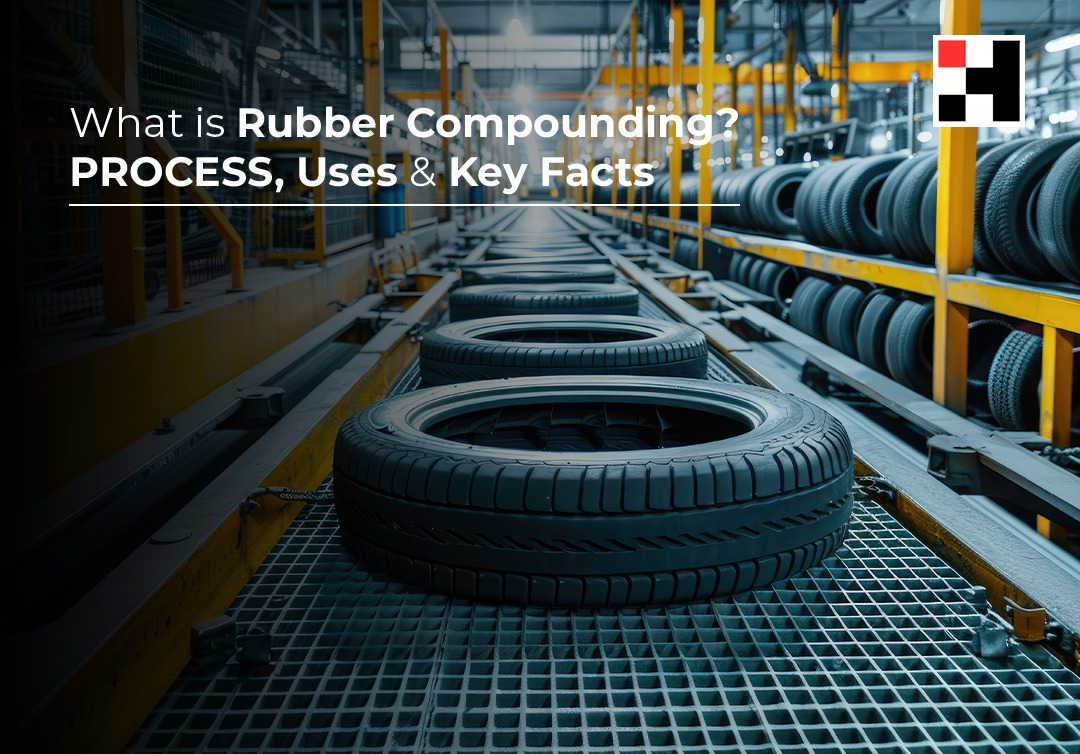
What is Rubber Compounding Sheet ? Process, Uses & Key Facts
Rubber is used in a lot of things, like car tires and medical equipment, but it’s not ready to be used in the real world yet. Rubber Compounding is a special process that manufacturers use to get the most out of rubber. This process changes simple rubber into a material with specific properties that make it useful for certain tasks.
This article will give you a clear, original explanation of rubber compounding, how it works, where it is used, and the most important things you need to know.
What does it mean to compound rubber?
Rubber Compound Sheet is the process of mixing raw rubber with carefully chosen chemicals and additives to make it work better and control how it behaves. Depending on how you plan to use it, these extra ingredients change how the rubber works, making it stronger, more flexible, resistant to heat, or stable in chemicals.
When you first get it, rubber is soft, sticky, and not very strong. Through compounding, it becomes a reliable engineering material that can withstand stress, temperature changes, and environmental exposure.
What is the point of rubber compounding?
The quality of any rubber product depends on how well the rubber is compounded. Even if shaping and molding are done perfectly, poor compounding will result in weak or unreliable products.
This is why it matters:
It decides how well the product will work in the end.
It makes things last longer and be more durable.
It allows customization for different industries
It makes things safer and more consistent.
In simple terms, the success of a rubber product begins at the compounding stage.
Key Ingredients in Rubber Compounding
When you make rubber, you mix base materials with additives. Each ingredient has a specific job to do and has a direct effect on the final product.
1. Rubber Base (Elastomer)
This is the main part, which can be natural rubber or synthetic types like nitrile, EPDM, or silicone. It provides elasticity and flexibility.
2. Fillers
Fillers are added to improve strength and reduce cost. Some also enhance resistance to wear and tear.
3. Plasticizers
These make the rubber easier to work with and softer. They improve flexibility and reduce stiffness.
4. Agents for vulcanization
These are responsible for curing the rubber. Sulfur is commonly used to create strong molecular bonds.
5. Accelerators
They speed up the curing process, making production more efficient.
6. Antioxidants and Stabilizers
These protect rubber from aging, heat, oxygen, and sunlight.
The right balance of these ingredients is crucial and often requires expert formulation.
Rubber Compounding Process (Step-by-Step)
The process of rubber compounding involves several controlled steps to ensure uniformity and performance.
1. Designing the Formula
Engineers decide the composition based on required properties such as hardness, elasticity, or resistance to chemicals.
2. Mastication
The rubber is softened mechanically to make it easier to mix with additives.
3. Mixing
All ingredients are blended using machines like internal mixers or two-roll mills. The goal is to create a uniform mixture.
4. Adding Chemicals
To make sure that the additives are evenly spread throughout the rubber, they are added in stages.
5. Making the Compound
The mixed rubber is cut into sheets, strips, or pellets so that it can be worked on more.
6. Curing (Vulcanization)
To cure the rubber, it is heated and put under pressure. This step makes cross-links between molecules, which gives the rubber its final strength and flexibility.
Different kinds of rubber compounds
Different types of rubber compounds are needed for different uses. Here are some common ones:
Natural Rubber Compounds: Known for being very flexible and strong
EPDM Compounds: Very good at withstanding weather and ozone
Nitrile Rubber (NBR) is not affected by oils and fuels.
Silicone Rubber is good for places with high temperatures.
Neoprene Rubber is chemically stable and flexible.
Each type has special additives that make it work better.
What Rubber Compounding Is Used For
Because it can be used in so many different ways, rubber compounding is very important in many fields.
The car industry
Used in hoses, tires, seals, and parts that control vibration. These need to be able to last a long time and not get too hot.
The Construction Industry
Used in waterproofing systems, insulation, and structural supports where being able to stand up to bad weather is important.
Uses in Industry
Used in conveyor belts, rollers, and protective linings that need to be able to handle wear and tear.
Field of Health Care
Important for things like gloves, tubing, and seals that need to be flexible and clean.
Goods for Consumers
Used in shoes, sports equipment, and household items where comfort and durability are important.
Important Information About Rubber Compounding
It is both a science and an art to make rubber compounds.
Small changes to the formulation can have a big effect on performance.
The process has a direct effect on how long the product lasts.
Additives can make up a big part of the compound.
For consistency, it’s important to mix things up correctly.
Benefits of Rubber Compounding
There are a number of benefits to rubber compounding:
Personalization for certain uses
Stronger mechanically
Better able to withstand heat, chemicals, and wear
More flexibility and stretchiness
Cost savings through better formulas
Problems with rubber compounding
Even though it has benefits, the process has problems:
Needs exact control over the ingredients
Temperature and mixing conditions can affect it.
Needs professionals with skills to make it
New designs may need to be tried out before they work.
What will happen in the future with rubber compounding
The rubber industry is changing because of new technologies and goals for sustainability. Some important trends are:
Making compounds that are good for the environment
Using materials that are made from recycled or natural sources
Advanced fillers for better performance
Mixing and formulation that are automated
These new ideas are helping manufacturers make products that last longer and work better.
Final Thoughts
The main part of making rubber today is rubber compounding. It turns raw rubber into a strong, flexible material that can be used in a wide range of industrial settings. This important process is needed for almost all rubber products, from car parts to medical devices.
As industries ask for better quality and new ideas, manufacturers like Hitkari Rubber are helping rubber compounding move forward by providing reliable, tailored solutions for a wide range of uses.
Also Read : Types of Rubber Compound Sheets and Their Industrial Uses
Questions and Answers About Rubber Compounding
1. What does it mean to compound rubber?
To make rubber better for certain uses, rubber compounding is the process of mixing raw rubber with other materials.
2. Why isn’t rubber used in its natural state?
Raw rubber isn’t strong, long-lasting, or resistant to the elements, so it’s not good for most uses.
3. What does vulcanization do in the process of making rubber?
Vulcanization makes rubber stronger by linking molecules together in a way that makes it more flexible and long-lasting.
4. Is it possible to change rubber to fit different uses?
Yes, rubber compounding lets manufacturers change things like hardness, flexibility, and resistance depending on how the rubber will be used.
5. What industries rely on rubber compounding?
Rubber compounding is very important to many industries, including healthcare, construction, automotive, and consumer goods.